

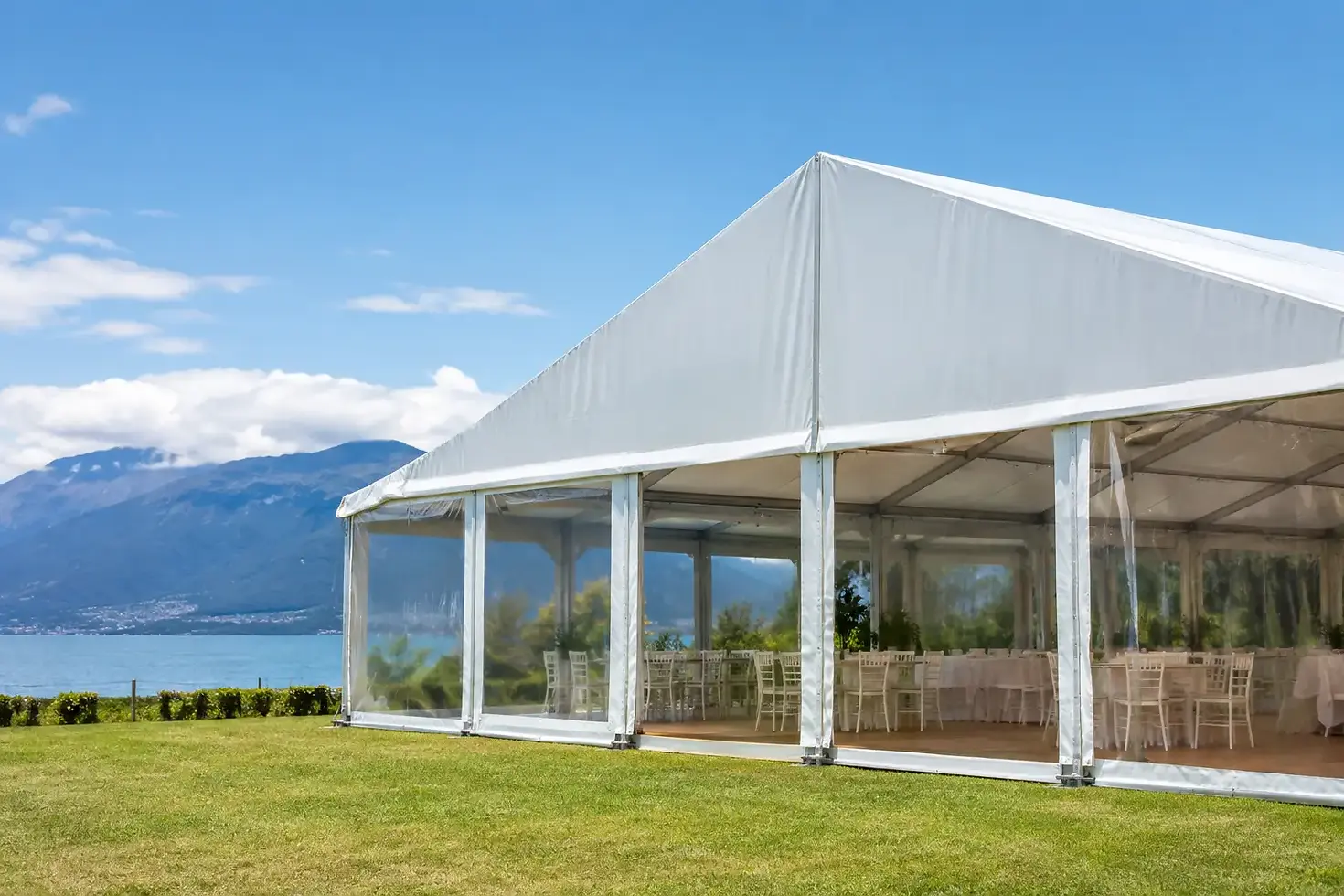
Marquee Wind Ratings: What NZ Buyers Must Check

A marquee can look perfectly secure on a calm morning, then face a very different test when an afternoon sou'wester arrives. That is why marquee wind ratings need to be understood before you choose a size, style or site. For weddings, farm functions, community events and hire fleets, the frame is only one part of the safety picture. The ground, anchoring method, surrounding exposure and installation quality matter just as much.
A good commercial marquee is built to handle demanding use, but no temporary structure is invincible. The right question is not simply, “What wind speed is it rated for?” It is, “Is this marquee, with this anchoring system, suitable for this particular New Zealand site and event plan?”
What marquee wind ratings actually mean
A wind rating is a measure of the wind conditions a marquee system has been designed or assessed to resist when it is installed to its specified configuration. Depending on the supplier and product, the information may refer to a maximum wind gust, a site wind classification, an engineering calculation, or an installation requirement.
Those terms are not interchangeable. A figure quoted in kilometres per hour may sound straightforward, but it has little value without context. Was it based on gusts or sustained wind? Does it apply only when every bay is fully anchored? Is it for a clear, level site, or does it allow for a ridge, exposed paddock or coastal location? Has it been assessed with sidewalls fitted?
For a buyer, the practical takeaway is simple: ask for the documentation and ask what conditions apply. A dependable supplier should be clear about the marquee model, frame size, bay spacing, roof fabric, anchoring requirements and any limits on sidewalls, doors or accessories.
A frame rating is not a promise for every site
A strong aluminium frame and quality canopy are essential, but wind forces travel through the entire setup. They are transferred from the roof and legs into pegs, ground anchors, concrete blocks or other ballast. If that connection to the ground is inadequate, the marquee is not properly secured, regardless of how substantial the frame looks.
Wind also does not strike every site evenly. A sheltered venue beside mature trees may be comfortable one day and turbulent the next if gusts funnel between buildings. An open rural property can be far more exposed than a town site. Coastal locations, ridgelines and elevated ground deserve particular care.
Why New Zealand sites need a closer look
New Zealand weather changes quickly, and local conditions can be surprisingly different over a short distance. For marquee planning, broad regional weather forecasts are useful, but they are not a substitute for a proper site assessment.
The factors below influence the real load on your marquee:
Wind zone and local exposure, including whether the site is low, medium, high, very high or extra high in wind classification terms.
Terrain, such as hills, ridges, valleys and coastal edges that can accelerate gusts.
Ground conditions, from firm grass and compacted soil to soft ground, gravel, asphalt or concrete.
Nearby structures and trees, which may shelter the marquee or create wind turbulence.
Marquee orientation, sidewall layout, entrance openings and attached equipment such as linings, lighting or signage.
This is why two identical 10-metre-wide marquees may need completely different anchoring plans. One may be suitable for pegging into firm turf. The other may require engineered anchors or calculated ballast because it is going onto concrete, hardstand or a more exposed location.
Sidewalls can change the equation
Sidewalls are brilliant for keeping guests warm and dry, especially at an evening wedding or winter gathering. They can also increase wind pressure on the structure. A fully enclosed marquee can behave differently to an open-sided canopy because wind is pushing against a larger surface area.
That does not mean sidewalls should be avoided. It means they need to be part of the original plan. Tell your supplier whether you expect to use clear walls, solid walls, gable ends, doors, linings or partial walls. Adding them at the last minute without checking the installation requirements is not good event practice.
Anchoring is where safety is won or lost
The most suitable anchoring method depends on the surface beneath the marquee. Pegs are often effective on suitable grass or soil, provided they are the correct length, type and quantity for the marquee and ground conditions. A few light pegs from a hardware shop are not a commercial anchoring solution.
On concrete, asphalt or other hard surfaces, the marquee may require ballast or approved mechanical fixing. Ballast needs to be properly calculated and positioned at the legs and connection points called for by the system. Randomly placing a few water weights around the perimeter is not the same as following an engineered plan.
There is a trade-off here. Pegging can be quicker and less visually intrusive, but only works where the ground allows it. Ballast makes hard-surface installations possible, yet it adds transport, handling and setup costs. For a one-off backyard party, that may influence the choice of marquee size or location. For a venue or hire business, having a clear ballast plan is part of operating professionally.
Before installation, check for underground services. Water, power, drainage, irrigation and communications lines can all be damaged by pegs or anchors. If there is any doubt, use the appropriate service checks and choose an alternative fixing method.
Choose the marquee style for the job
Not every marquee system suits every event. Pole-and-peg marquees can create a classic, spacious feel and work well on suitable grass sites, but they rely on tensioning and pegging space around the perimeter. They may not suit tight urban sites, hard surfaces or locations where underground services restrict pegging.
A-frame and hip-end frame marquees offer clear internal space and can be configured in a range of sizes. They are often a practical choice for repeated commercial use, weddings, hospitality areas and community functions. Their suitability still depends on correct anchoring, bay configuration and site conditions.
For event-hire operators, durability is not only about the biggest wind number on a brochure. It is about a system that can be erected consistently, checked easily, transported safely and supported with the right parts over time. A commercial-grade marquee should make good operational habits easier, not rely on guesswork from the crew.
Questions to ask before you buy or hire
When comparing marquees, ask the supplier to explain the wind information in plain English. You should know whether the stated rating applies to the exact size you are considering and whether it assumes pegging, ballast or a particular ground anchor.
Ask whether the system has engineering information available for your intended location, particularly if your venue is exposed, your marquee is large, or you are planning regular public events. Also ask what installation instructions must be followed, how sidewalls affect the setup, and what weather conditions should trigger closure, evacuation or pack-down.
For a council-managed reserve, public venue or larger event, approval requirements may apply. These vary by council, structure size, duration, occupancy and local rules. Start that conversation early. The cost of checking is small compared with changing plans in the final week before an event.
Installation and event-day checks matter
Even the right marquee can become unsafe if it is rushed, altered or left unchecked. The installation crew should follow the manufacturer’s layout and tensioning instructions, use all specified components, and inspect the frame, joints, fabric and anchors before guests arrive.
During the event, nominate someone who is responsible for monitoring changing conditions. They should know where spare straps and tools are kept, who can make decisions, and how guests will be moved to a safer area if severe weather develops. Do not wait until the roof is visibly moving to decide what to do.
Avoid attaching unapproved signs, flags, heaters, speakers or decorations to the frame. These additions can create extra load, catch wind or interfere with the structure. Keep gutters and drainage paths clear too. Water pooling around legs can soften soil and reduce the holding power of ground anchors.
Get the rating, the site and the setup working together
Marquee wind ratings are a useful starting point, not a shortcut around proper planning. The best outcome comes from matching a commercial-quality marquee to the site, securing it with the correct anchoring method, and following a clear weather plan from setup through to pack-down.
At Smart Spaces NZ, our hands-on experience with canvas, weatherproofing and installation has taught us that the details are never small when the wind gets up. Share your site details, intended use and surface type early, and you can choose a marquee setup that gives your guests more confidence to enjoy the occasion.



Comments