

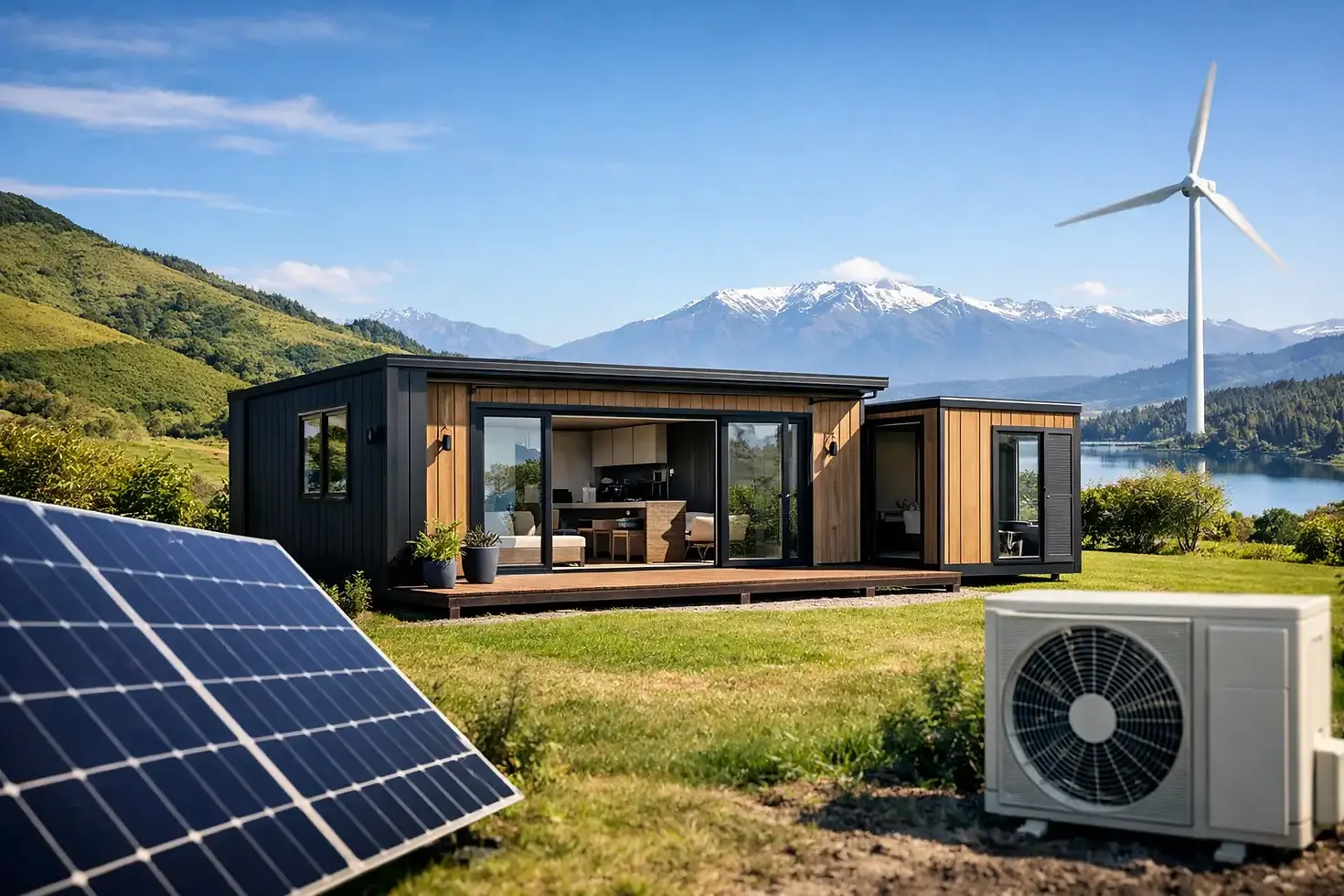
Are Expandable Homes Energy Efficient in NZ?

A compact home should not mean a cold home. For New Zealand families weighing up a granny flat, rental, bach or extra room for extended family, the real question is: are expandable homes energy efficient enough to stay comfortable without punishing power bills? The honest answer is yes, they can be - but the result comes down to the specification, the site and how the home is set up.
An expandable home is not automatically efficient simply because it is smaller. A well-built two-bedroom expandable home with insulation, double glazing and sensible services can be economical to heat and run. A basic unit with poor insulation, draughty joins or too much west-facing glass can be uncomfortable, no matter how modest its floor area is. Getting the details right before delivery makes all the difference.
Why expandable homes can be efficient to run
Expandable homes generally have less internal volume than a conventional family house. That means there is less air to heat, less floor area to light and often shorter runs for hot water and plumbing. For a couple, a small family or a single occupant, that can translate into lower day-to-day energy use.
Their factory-built nature is another advantage. Building key elements indoors gives manufacturers more control over wall linings, insulation placement, window installation and weather sealing than an exposed site build can sometimes allow. The home arrives largely complete, rather than being built over many months through rain, wind and changing site conditions.
That said, compact living creates its own challenge. In a smaller space, cold windows, an uninsulated floor or a gap around a service penetration are felt quickly. There is simply less room for heat to spread out. Efficient expandable homes rely on a complete thermal envelope, not one good feature in isolation.
What makes an expandable home energy efficient?
Insulation is the starting point
Insulation in the roof, walls and floor slows heat loss in winter and reduces unwanted heat gain in summer. In New Zealand, the roof is particularly important because warm air rises. A properly insulated ceiling or roof cavity helps retain warmth where people need it, rather than letting it escape through the top of the home.
Ask what insulation is included in the supplied model, where it is installed and whether the stated performance suits your location. Conditions in a sheltered Northland backyard are different from an exposed Canterbury section, a frosty Central Otago site or a coastal property regularly hit by southerlies.
Floor insulation deserves the same attention. Many expandable homes are raised on piles, footings or another foundation system. This is practical for access, drainage and levelling, but cold air moving beneath an unprotected floor can affect comfort. A well-insulated floor and carefully considered subfloor setup help prevent that chilly feeling underfoot.
Double glazing reduces heat loss and condensation
Double-glazed windows are one of the most noticeable comfort upgrades in a compact dwelling. They reduce heat transfer through the glass, make rooms feel less cold near windows and help limit internal condensation when temperatures drop.
For an expandable home, window quality and installation matter as much as the glass itself. Frames need to be fitted properly, flashings need to shed water, and openings should seal well when closed. If a home has large glazed doors, consider where they face and whether eaves, awnings or external shading are needed to control harsh summer sun.
Double glazing will not fix a poorly insulated home on its own, but combined with good wall, roof and floor insulation, it is a strong foundation for comfortable living.
Airtightness and ventilation need to work together
A home should not whistle in the wind. Gaps around doors, windows, folding sections and service entries can let warm air out and cold air in, increasing heating demand. Because expandable homes include moving sections for transport, careful engineering and sealing at those junctions is especially important.
At the same time, a tightly sealed home still needs fresh air. Cooking, showering, drying clothes and simply living in a compact space all create moisture. Extractor fans in the kitchen and bathroom, opening windows when conditions allow, and a practical drying arrangement help protect indoor air quality and reduce condensation.
The goal is not to make a home stuffy. It is to stop uncontrolled draughts while providing deliberate, useful ventilation where it is needed.
The site can make or break performance
The same expandable home can perform very differently on two neighbouring properties. Before finalising placement, look at sun, prevailing wind, shade, access and drainage.
In much of New Zealand, a north-facing living area can make a genuine difference in winter. Morning and midday sun warms the home naturally, while sensible shading helps avoid overheating through the hotter months. East-facing bedroom windows may suit people who enjoy early light, but large west-facing windows can bring intense late-afternoon heat in summer.
Wind exposure matters too. A home placed in an open paddock, on a ridge or beside the coast may need more careful attention to anchoring, weatherproofing and sheltered outdoor areas than one tucked behind established planting or another building. Trees and planting can provide welcome protection, but avoid blocking all winter sun or creating damp, shaded areas around the home.
Good drainage is part of energy efficiency as well as durability. A damp site can make floors feel cold, increase humidity and create maintenance headaches. Correct foundation preparation, clearance and drainage around the dwelling help keep the structure dry and the interior more comfortable.
Heating, hot water and appliances matter
Even a very well-insulated home needs an efficient way to heat the living space. The right option depends on the layout, climate and whether the dwelling will be occupied full-time or used as guest accommodation. A correctly sized heat pump is often a practical choice for compact homes because it provides efficient heating and can help with cooling in warmer regions.
Avoid choosing a heater purely on its purchase price. An oversized unit can cycle inefficiently, while an undersized one may struggle on cold nights. Placement matters too. Heat needs a clear path through the main living space, rather than being trapped behind furniture or asked to warm every room through closed doors.
Hot water is commonly one of the largest energy users in a small home. Electric hot water cylinders are straightforward and reliable, while gas, solar-assisted and heat-pump hot-water options may suit certain sites and usage patterns. The best choice depends on available services, household size, upfront budget and how consistently the home will be used.
Small decisions add up: LED lighting, efficient whiteware, a rangehood vented outside, sensible thermostat settings and window coverings all help. Thermal curtains or well-fitted blinds are particularly worthwhile at night, when even double-glazed windows lose more heat than insulated walls.
Are expandable homes energy efficient for rentals and family living?
They can be a very practical choice for both, provided the home is specified for real New Zealand living rather than occasional summer use. For a long-term rental or a granny flat occupied year-round, prioritise insulation, double glazing, extraction, heating and durable weather sealing from the outset. These are not optional extras to regret later - they affect tenant comfort, maintenance and ongoing running costs.
For holiday accommodation, the priorities may shift slightly. A bach that sits empty during the week may benefit from efficient, easy-to-control heating, good ventilation after guest turnover and materials that cope with coastal air or high rainfall. Smart controls can also help owners avoid heating an empty space unnecessarily.
Factory-direct expandable homes from Smart Spaces NZ are available with insulated construction, double glazing and service-ready layouts, giving buyers a practical starting point. The most suitable setup will still depend on your region, intended use and what is included in the final specification.
Questions worth asking before you buy
Do not settle for a vague claim that a home is “well insulated”. Ask for clear information about the insulation in the roof, walls and floor, the type of glazing, how expandable joins are sealed and what heating or hot-water provisions are included. If you are comparing quotes, make sure you are comparing like for like.
It is also wise to discuss foundations, utility connections and local approval requirements early. The way a home is fixed to the site, connected to power and water, and positioned for drainage can affect both compliance and long-term performance. Your supplier, installer and local council each have a role to play in making sure the finished setup suits the property.
A lower upfront price can be good value, but only if the home is comfortable and economical for the life you expect from it. Spending sensibly on insulation, glazing and the right services is often cheaper than trying to solve cold, damp or high-bill problems after delivery.
The best expandable home is one that suits your land as well as your budget: warm in winter, shaded when summer sun bites, dry underfoot and simple for your family or tenants to live in every day.



Comments