


Tiny Homes Versus Caravans: Which Suits You?

A caravan can get you away for the weekend. A tiny home can give someone close to you a proper place to live. That distinction is at the heart of tiny homes versus caravans, and it is why choosing between them is about far more than floor area or the sticker price.
For New Zealand families, landowners and investors, both can create extra accommodation without committing to a full conventional build. But they are designed to do different jobs. A caravan is generally built for touring and short stays. A well-built tiny home is intended to feel more like a compact house, with the insulation, layout and services to support everyday living. The right answer depends on how long it will stay put, who will use it, and what you want it to deliver over the years ahead.
Tiny homes versus caravans: the everyday living test
The quickest way to separate the two is to imagine a wet July week. Someone is cooking dinner, another person is working from home, washing needs doing and the heater is running. Could the space handle that comfortably?
A caravan can be an excellent option for holidays, touring or temporary accommodation. It is compact, mobile and designed to make the most of a small footprint. Many modern caravans are cleverly fitted out, with beds, a kitchenette, storage and bathroom facilities. For a couple travelling regularly, that efficiency is a real strength.
Living in one permanently is another matter. Caravan interiors usually prioritise low weight and road travel. That can mean narrower spaces, lighter-duty cabinetry, limited storage and insulation that is better suited to occasional use than a settled home life. They may be less comfortable in sustained cold, heat, wind and heavy rain, particularly in exposed parts of New Zealand.
A tiny home is generally the better fit when the goal is a self-contained dwelling for a parent, adult child, tenant, guest or holidaymaker. Look for double glazing, quality wall and roof insulation, durable cladding, sensible ventilation and a layout that gives each room a purpose. A separate bedroom, full kitchen space and a practical bathroom make a noticeable difference when people are living there day after day.
The term ‘tiny home’ covers a wide range of products, so do not assume every small dwelling offers the same standard. Ask what it is built from, how it is insulated, whether it is designed for local weather, and what is included before comparing it with a caravan.
Purchase price is only the start
Caravans often look like the cheaper choice at first, particularly if you are comparing a used touring caravan with a new factory-built dwelling. They can also be easier to sell on when your plans change. If your main need is mobile holiday accommodation, that lower entry point and resale flexibility can make very good sense.
However, the total cost needs a longer view. A caravan may need ongoing registration, warrants, towing equipment, storage and more frequent repairs from road use. If it is parked permanently, you may still need to pay for site preparation, steps, connections and a suitable way to manage wastewater. Modifications made to improve permanent living can quickly add up.
Tiny homes usually cost more because they are closer to a compact building than a vehicle. That price should reflect the quality of construction, fixtures, insulation, glazing and service readiness. It may also include a better platform for earning income as visitor accommodation or a long-term rental, subject to local rules and the condition of the property.
It pays to compare like with like. Rather than asking only, ‘Which one is cheaper?’, ask what each option will cost to deliver, connect, heat, maintain and use over five to 10 years. A low initial price is not always the best value if the space is uncomfortable or unsuitable for the job.
Consent, services and site preparation
This is where many buyers need clear advice early. Whether a caravan or tiny home needs consent, and what work can be done without it, can depend on the unit, the site, its intended use, how it is connected and the rules set by your local council. New Zealand requirements can differ between districts, so there is no one-size-fits-all answer.
A towable caravan that remains road-legal may be treated differently from a structure that is fixed in one place and connected to water, power and drainage. Likewise, a tiny home on wheels is not automatically exempt from every requirement simply because it can be moved. The practical question is how it will be used in reality.
Before you buy, speak with your council and make sure you understand the local planning, building, wastewater and boundary requirements. If the unit will sit on a lifestyle block or rural property, confirm access, turning space and ground conditions too. A delivery truck needs a safe route in, and the final position needs to work for drainage, sunlight, privacy and utility connections.
Footings also matter. Depending on the product and site, you may need piles, pads, blocks or another engineered solution. Taking care of this work upfront protects the home, makes setup easier and avoids expensive changes later. A reputable supplier should be able to explain what information is needed for delivery and help you plan the process in plain English.
Mobility is useful, but it comes with compromises
A caravan wins when regular movement is part of the plan. You can hitch up, take it to the bach, travel through the South Island or move it to another site without arranging specialist transport. For people who genuinely want a touring lifestyle, this is hard to beat.
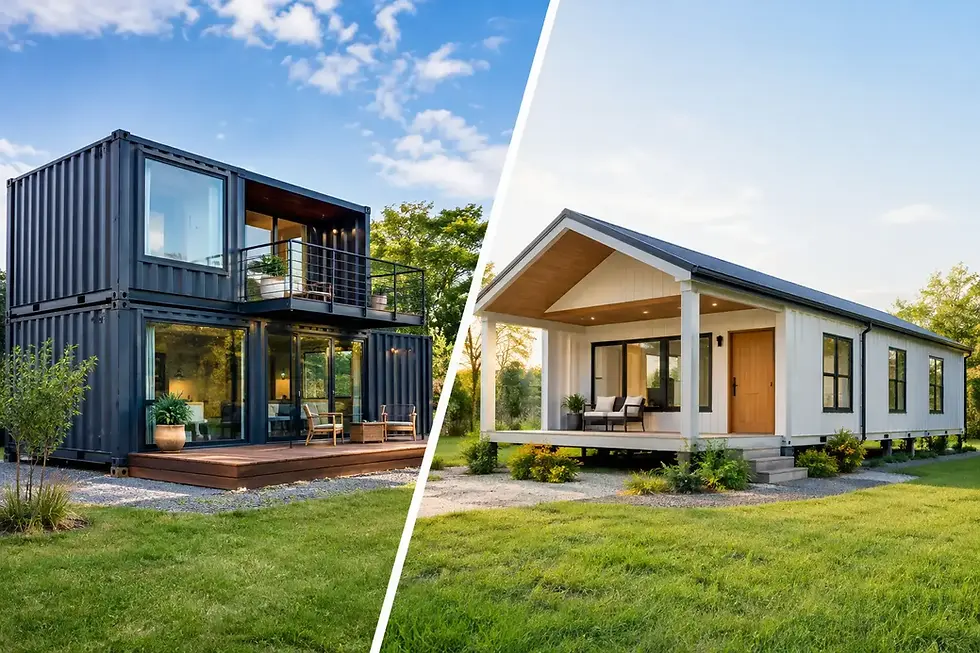
Tiny homes can be transportable, but transportable is not the same as towable. Container and expandable homes, for example, are generally moved by truck and placed at their destination. That makes them ideal for a backyard, farm, coastal section or accommodation site where the home will remain for years, but not for monthly trips away.
There is also a comfort trade-off. Designing for the road places limits on weight, width and fittings. Designing for a permanent site gives more scope for stronger construction, better weatherproofing and a roomier internal layout. Neither approach is wrong. It comes down to whether movement or settled living is your priority.
Match the option to the job
For a touring couple, a caravan is often the sensible purchase. It is purpose-built for travel, compact to tow and ready for holiday parks or temporary sites. Buying a tiny home for this role would usually mean paying for features you do not need while giving up the freedom to move easily.
For a grandparent, independent teenager or extended family member, a tiny home is usually the more considerate option. It can provide privacy and independence while keeping family close by. The ability to include proper insulation, a functional kitchen, double glazing and a comfortable bathroom is particularly valuable for year-round use.
For holiday accommodation or a rental investment, think about the guest experience as well as the return. Visitors may accept a caravan for a short break, especially near a beach or campground. But a compact home with durable finishes and all-season comfort can appeal to a broader group of guests and support longer stays.
For a farm, worksite or temporary overflow accommodation, either could work. A caravan may suit short-term, mobile requirements, while a factory-built expandable or container home is better when you need a dependable unit that can remain on site, cope with tougher weather and provide more usable room.
Smart Spaces NZ works with customers who need that more settled solution, from secondary dwellings and family accommodation to holiday units. The key is to select a size, layout and transport method that fits the property rather than trying to make a touring product do the job of a home.
Questions worth asking before you commit
Ask the supplier whether the quoted price includes delivery, what foundations or ground preparation are required, and whether the unit is ready for power, water and wastewater connections. Check the insulation specification, glazing, cladding, roof design and warranty details. If you are considering a caravan, confirm its roadworthiness, service history, weight and whether your vehicle can legally and safely tow it.
Also be honest about future plans. A caravan can be a brilliant short-term answer, but may feel restrictive if it becomes a permanent home. A tiny home may require more site planning, but it can give your family or guests a far better everyday experience.
The best choice is the one that suits the life you are building around it. Start with the people who will use the space, the weather it must handle and how long it needs to work for. From there, the right option usually becomes much clearer.


Comments