


7 Granny Flat Alternatives for NZ Properties

A conventional granny flat can be a good answer, but it is not the only answer - and it is not always the quickest or best-value one. When families start looking at granny flat alternatives, they are usually trying to solve a practical problem: room for Mum or Dad, a separate space for adult children, a rental income opportunity, or somewhere comfortable to stay on the land without taking on a long building project.
The right option depends on your site, budget, access, intended use and local council requirements. A compact dwelling that works brilliantly on a flat lifestyle block may be difficult to deliver into a tight suburban section. Likewise, a low upfront price means little if the building is not insulated, does not suit your climate, or needs costly work before it can be connected to power, water and wastewater.
Granny Flat Alternatives Worth Considering
1. Expandable homes
An expandable home arrives compact for transport, then opens out on site to create a much more usable footprint. For many New Zealand buyers, this is one of the most practical alternatives to a traditionally built granny flat because it balances speed, space and transportability.
A two-bedroom layout can provide a proper living area, kitchen, bathroom and bedrooms rather than feeling like a converted shed. It can suit extended family, a first home on family land, holiday accommodation or a rental unit, provided the site and approvals stack up. Factory-built options also give you clearer pricing earlier in the process than a build quoted piece by piece.
The trade-off is site access. You need enough room for delivery and placement, and the ground must be prepared properly. Footings, drainage and service connections still need to be planned, even when the home itself is ready to go.
2. Container homes
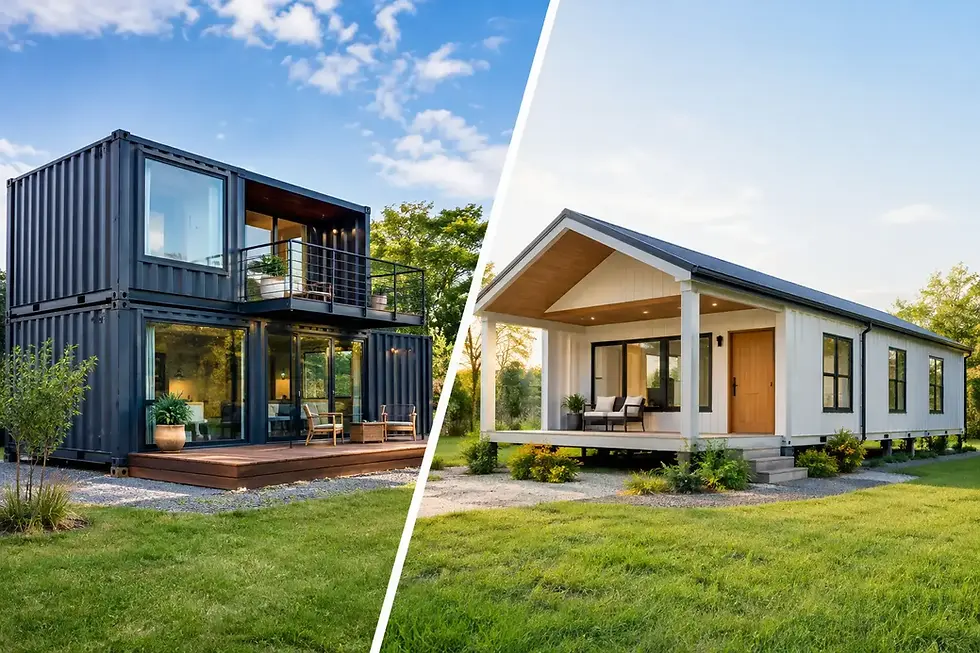
Container homes offer a solid, modern alternative where strength and a clean, compact form matter. They can work especially well on rural properties, coastal sites, staff accommodation areas and investment properties where durability and security are high priorities.
A purpose-built container home is very different from dropping an old shipping container in the backyard. For comfortable year-round living, look for proper insulation, double glazing, ventilation, internal linings and a layout that makes sensible use of the available width. Weathering steel can be a strong starting point, but it does not remove the need for good detailing against condensation and New Zealand weather.
Container homes are generally less expandable once delivered than folding designs, but they are exceptionally robust and can be a good fit where a permanent-looking, transportable dwelling is wanted. A two-bedroom container home may cost more upfront than a basic cabin, yet its finish, durability and rental appeal can make that worthwhile.
3. A relocatable cabin or tiny home
Relocatable cabins and tiny homes are popular because they can be simple, attractive and quick to position. They suit people who need a self-contained retreat, a home office with overnight capability, a sleepout for teenagers, or compact accommodation on a farm or holiday property.
The big question is whether it is genuinely suitable for full-time living. Some cabins are designed as occasional accommodation, while others include a full bathroom, kitchen, insulation and services for everyday use. Before buying, be clear about ceiling height, storage, heating, double glazing and the quality of the bathroom and kitchen fittings. A tidy-looking small home can become frustrating very quickly if two people cannot comfortably live in it.
Tiny homes on trailers may offer mobility, but mobility does not automatically mean fewer rules. Parking a dwelling on land, connecting it to services and using it as a permanent residence can still involve council requirements. Get advice for your particular site before committing.
4. A garage conversion
If you already have a sound detached garage, converting it can be cheaper and less disruptive than adding another building. It may be ideal for a studio, guest room, workroom or accommodation for a family member who does not need a fully separate home.
The catch is that garages were rarely designed for comfortable living. Insulation, moisture control, daylight, ventilation, fire separation and plumbing can all add up. You may also lose valuable vehicle storage, and a conversion can be constrained by the existing building’s size and layout.
This option makes the most sense when the structure is dry, structurally sound and located sensibly in relation to the main house and services. If major remedial work is needed, a new factory-built dwelling can sometimes represent better value and produce a more comfortable result.
5. A purpose-built minor dwelling
A small, conventionally built minor dwelling remains a strong choice for owners who want complete design freedom and a building that closely matches the main house. It can be designed around awkward boundaries, views, accessibility needs and long-term family living.
This is usually the least flexible option for budget and timing. Design fees, consent processes, trades, weather delays and variations can stretch a project well beyond the original estimate. That does not make it the wrong choice. For a high-value property or a site with unusual requirements, custom construction may be exactly what is needed.
It is simply worth comparing the full project cost against a finished, service-ready transportable option. Include groundwork, connections and landscaping in both figures so the comparison is fair.
6. A modular studio or detached workspace
Not every need for extra space requires another residence. A modular studio can give you a quiet office, consulting room, art space, hobby room or guest overflow without the expense of fitting a full kitchen and bathroom.
For homeowners running a business from home, this separation can be a game changer. It gives clients or staff a clear place to arrive, keeps work clutter out of the house and preserves family privacy. On a busy property, it may be the smarter investment than a full granny flat.
Be honest about how the space will be used. If the plan is likely to change from office to permanent accommodation, choose a structure that can be upgraded or configured for future services rather than starting with the cheapest shell available.
7. A separate family arrangement within the existing home
Sometimes the best alternative is not another building at all. Reworking part of the main house can create an independent bedroom wing, an external-access room, a small lounge or a bathroom for an older relative. It keeps family close, reduces maintenance and avoids delivery or site-access issues.
This is often a good answer where the land is small or where a parent needs support but still values privacy. The limitation is obvious: there is less separation than a standalone dwelling, and renovations can interrupt daily life. Still, for many families, a thoughtful internal alteration is more affordable and more useful than a second home in the backyard.
Choose for the way you will actually live
The most affordable-looking option is not always the best buy. Start by deciding whether you need sleeping space, a self-contained home, rental-ready accommodation or a work area. Then look at access for delivery vehicles, the ground conditions, power and water supply, wastewater, privacy and how the building will handle winter warmth and summer ventilation.
Approval requirements vary between locations and can change according to the size, design, foundations and intended use of the building. Check early with your local council and use qualified professionals for the parts of the project that require them. This protects your budget and avoids discovering too late that a great-looking option cannot be used as planned.
For buyers wanting a practical, ready-to-go pathway, Smart Spaces NZ supplies factory-direct expandable and container homes designed for real New Zealand conditions, with support from product selection through to delivery coordination. A two-bedroom expandable home can offer genuine family living space without the lengthy programme of a conventional build.
The best choice is the one that gives your family or investment property useful space now, while leaving room for the next chapter. Get the foundations, services and comfort details right, and a compact dwelling can earn its place for many years to come.


Comments